Photographing Leopard
Introduction
Leopards are the most adaptable of the large cats, and the most difficult to find. They are solitary, nocturnal, and masters of concealment. Finding one is the challenge. Photographing one well — in good light, with a clean background, at the right moment — is a privilege. When it all comes together, a leopard portrait is among the most powerful images in wildlife photography.
Understand the Animal
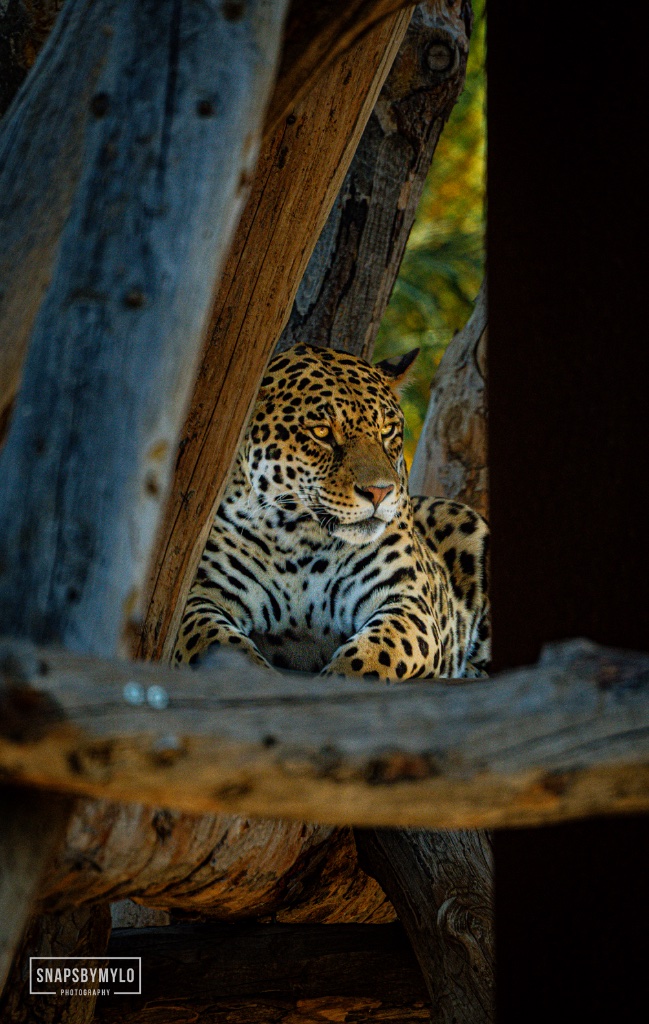
Leopards are ambush predators. They stalk, they wait, and they strike with explosive speed. When resting — which is most of the day — they choose elevated positions: branches, rocks, ridgelines. These vantage points give them a view of their surroundings and give you your best photographic opportunities.
A leopard at rest on a branch is the classic image. Watch the tail. A slow, rhythmic tail flick indicates alertness. When the head lifts and the eyes lock onto something, the leopard has detected prey or a threat — be ready for movement.
Look Before You Shoot
Leopards are most active at dawn and dusk, which coincides with the best light. The tawny coat and rosette pattern are dramatically enhanced by warm, low, directional light. In harsh midday sun, the pattern flattens and loses dimension.
Background separation is critical. A leopard against the dark, mottled background of a tree trunk or rock face can blend in completely. Wait for the moment the leopard moves its head into a patch of clean background, or reposition yourself to find a cleaner angle.
Composition Ideas
The Branch Portrait
Look for: A leopard draped along a thick horizontal branch, head resting on paws, eyes open and alert.
Why it works: This is the defining leopard image. The key is finding the right branch — one that is clean, thick enough to support the animal's body, and positioned against a relatively uncluttered background.
The Amber Eye
Look for: A tight portrait focusing on the face, with the amber eyes as the focal point. Wait for direct eye contact.
Why it works: When a leopard looks directly at the camera, the intensity is unmatched. The rosette pattern frames the face naturally, and the amber eyes carry a quality of intelligence that few other animals project.
The Descending Cat
Look for: A leopard climbing down from a tree, body stretched vertically along the trunk. Pre-focus on the trunk and fire a burst as the cat descends.
Why it works: This is a moment of dynamic movement from an otherwise still subject. The vertical stretch of the body along the trunk creates a powerful compositional line.