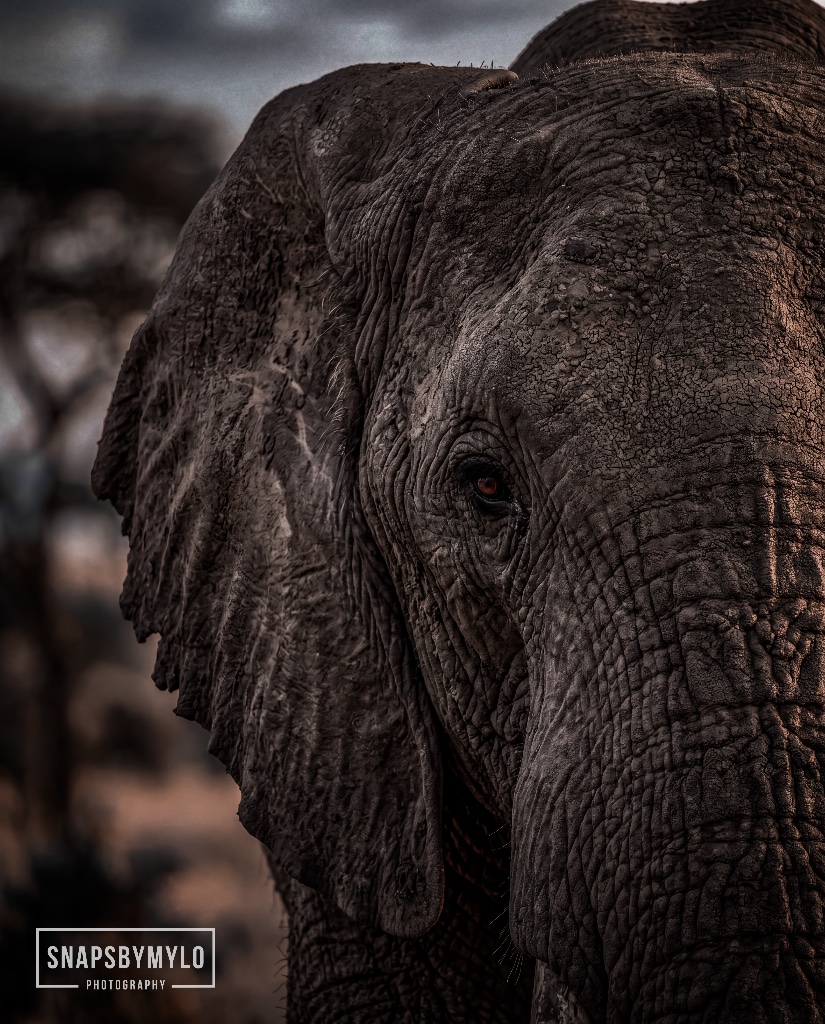
Knowledge as protection
Making conservation knowledge accessible, engaging and relevant to everyday life. Breaking down complex ecological concepts into stories that resonate with people of all ages and backgrounds.
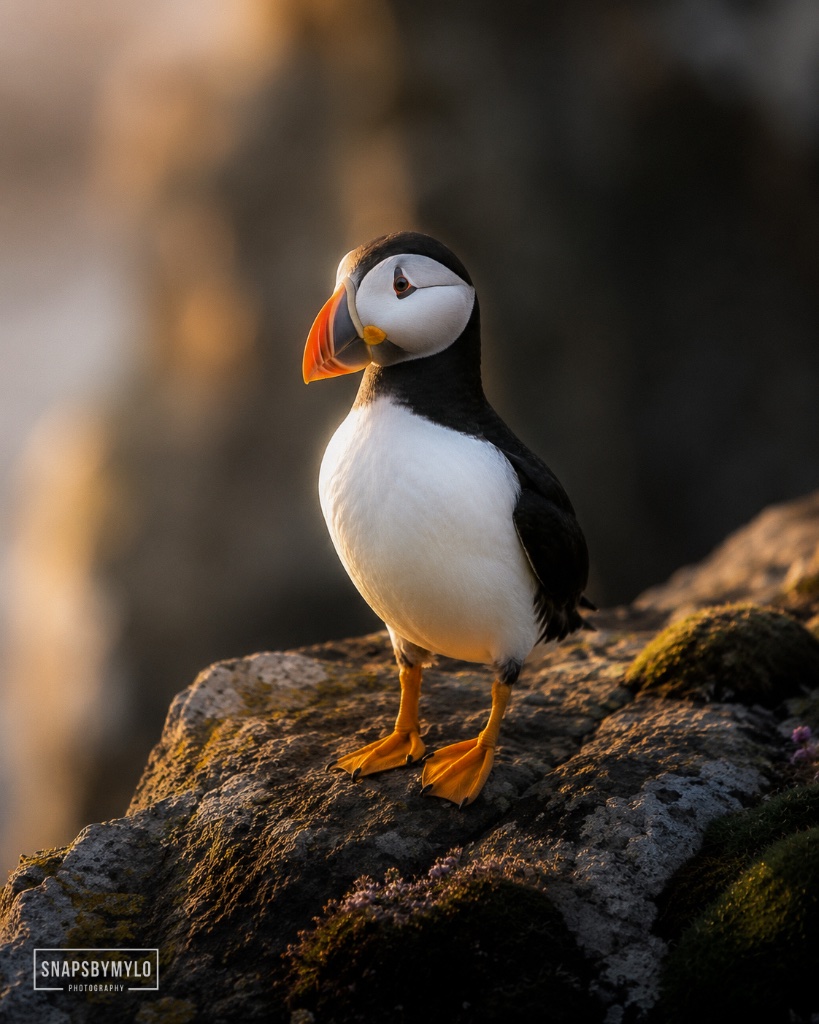
Atlantic Puffin
Fratercula arctica
Understanding a species is the first step toward protecting it
Understanding the science behind a species — its IUCN Red List status, its habitat requirements, the specific threats it faces, its role within its ecosystem — transforms a photograph from a beautiful image into a piece of conservation storytelling. It allows each image to carry context, urgency and meaning beyond its visual impact.
This scientific grounding also ensures that every field encounter is conducted ethically. Knowledge of animal behaviour means recognising stress signals, understanding safe distances, and knowing when to step back. The welfare of the animal always comes before the photograph.
Building conservation literacy
Species Guides
Comprehensive, research-backed profiles of wildlife species — their biology, behaviour, conservation status and threats. Designed to be accessible to all audiences while maintaining scientific rigour.
School Resources
Curriculum-aligned materials for educators, bringing conservation science into the classroom through photography, storytelling and data-driven learning modules.
Public Learning
Open-access educational content for anyone who wants to understand wildlife conservation — articles, visual guides and interactive resources that bridge science and storytelling.
Conservation Literacy
Our Wildlife Academy offers structured courses across three levels — Foundation, Specialist and Ambassador — each combining rigorous science with real-world conservation action. Learn at your own pace, earn certifications, and become part of a global community of wildlife advocates.
Every species has a story
Our species guides go beyond basic identification. They explore behaviour, ecology, conservation status and the human stories intertwined with each species' survival. Built on scientific research. Told through photography.
Explore Field Notes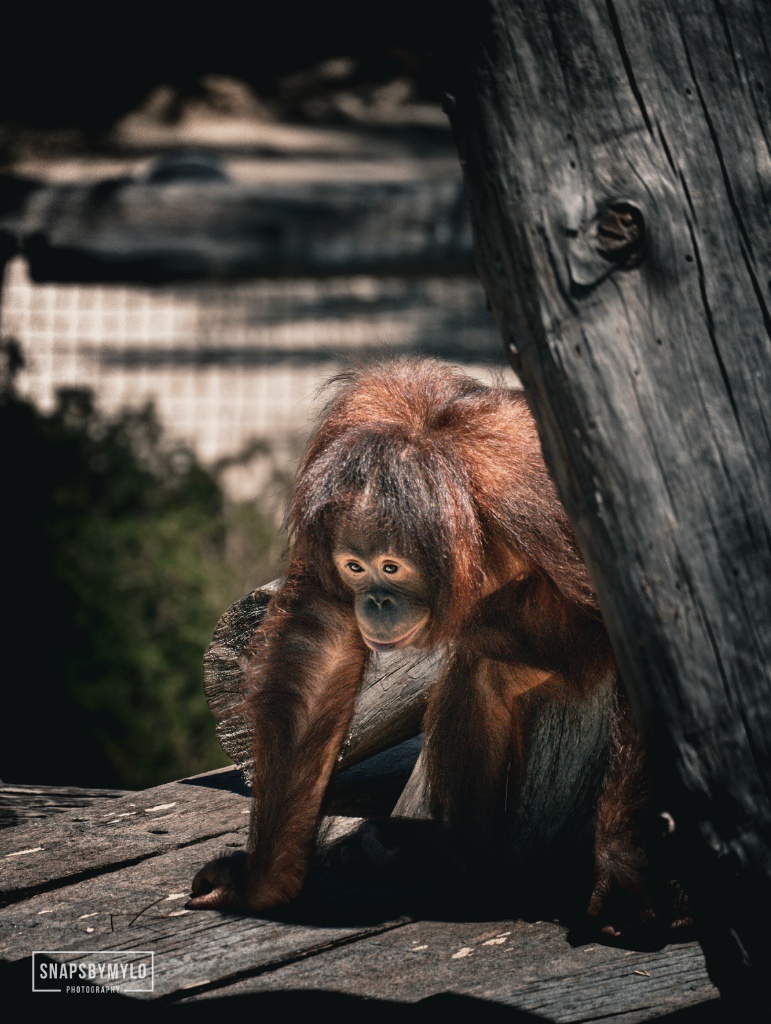
Orangutan
Pongo spp.
IUCN: Critically Endangered