Lessons
0 / 50 completed
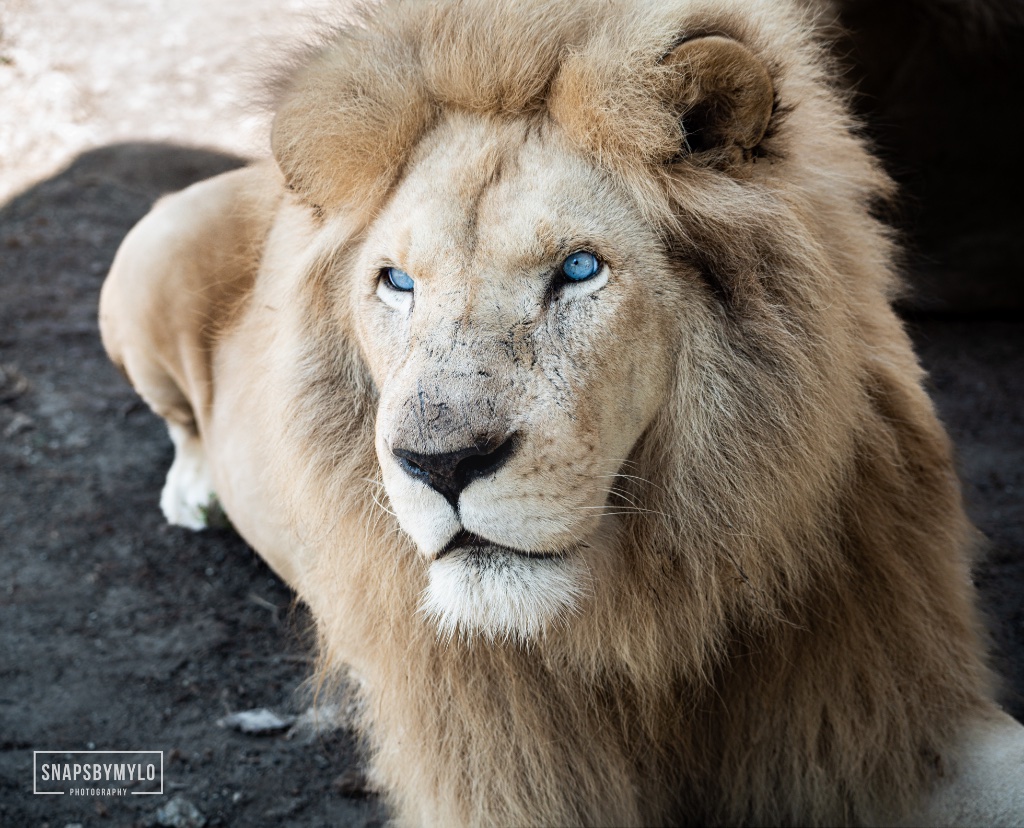
Lion Ecology and Social Behaviour: Life History, Pride Structure, Foraging Ecology, Habitat Requirements and Seasonal Movements
8 min read • Level 2
Lion Ecology and Social Behaviour
Lions (Panthera leo) are one of the most social felids, which shapes their life history, reproductive strategies, spatial use and foraging ecology. Understanding lion ecology requires integrating demographic schedules (age at first reproduction, litter size, inter-birth interval, longevity), the social organisation of prides and coalitions, prey selection and hunting modes, and how habitat and seasonality drive movement and distribution.
Life history
Lions typically reach sexual maturity between 2.5 and 4 years. Female lions tend to reproduce earlier and maintain more stable residency in natal ranges than males, who often disperse and acquire territories or coalitions through competition. Female reproductive parameters include average litter sizes of 2–4 cubs, first reproduction commonly at 3–4 years, and inter-birth intervals of about 20–24 months under good prey availability. Cub survival is strongly density-dependent and affected by male takeovers, infanticide, prey availability and disease.
Pride structure and coalitions
A pride is generally a matrilineal group of related adult females, their dependent offspring and one or several adult males (a male coalition). Female group living brings cooperative breeding advantages: communal defence of cubs, cooperative hunting and territory defence. Male coalitions (often related males) secure mating opportunities and protect the pride against rival males; coalition size affects tenure length and reproductive success. Social stability varies with ecological context: in prey-rich habitats, larger prides and more stable membership are common; in marginal or heavily human-impacted landscapes, pride sizes may shrink and social fluidity increases.
Foraging ecology
Lions are opportunistic apex predators, hunting a range of ungulate species from gazelles to buffalo, and occasionally taking smaller prey, reptiles or carrion. Foraging strategies are flexible: cooperative group hunts often target larger-bodied prey, while solitary or pair hunting targets smaller or medium-sized animals. Prey selection is influenced by prey abundance and vulnerability, habitat structure (open savanna versus dense thicket), seasonal prey movements and human-driven changes to prey communities. Lions exploit lunar cycles, temperature and seasonality to optimise hunting success — hunting tends to be crepuscular and nocturnal, but diurnal activity increases in cooler seasons or when taking advantage of human- or livestock-related opportunities.
Habitat requirements and seasonal movement patterns
Lions require landscapes that provide sufficient prey biomass, access to water and cover for hunting and denning. Habitat structure mediates detection and hunting success; open plains favour sprint-based group hunts while dense woodland promotes ambush strategies. Seasonal movements track prey migrations and local shifts in water availability; in some ecosystems lions undertake predictable seasonal movements following migratory wildebeest or zebra, while in other systems movements are more home-range based with seasonal expansions or contractions tied to breeding cycles and prey vulnerability. Human land use (agriculture, fencing, roads) can truncate seasonal movements and fragment functional habitat, forcing shifts in pride size, diet (increasing livestock depredation) and social stability.
Integrative implications for conservation and management
Effective conservation of lion populations depends on protecting prey base and ensuring sufficient contiguous habitat that supports natural social structures and seasonal movements. Management must incorporate life-history sensitivity (e.g., protecting cub-rearing females and den sites during calving peaks), reduce human-driven mortality (snaring, retaliatory killing), and preserve landscape connectivity so dispersing males can find mates and maintain genetic flow. Monitoring social metrics (pride size, coalitions, turnover) provides early warning of demographic stressors such as prey decline or excessive anthropogenic mortality.
Key Facts
Social organisation
Lions are unique among big cats for forming prides of related females and male coalitions; sociality improves hunting and cub defence but depends on prey abundance.
Reproductive parameters
Females typically first breed at 3–4 years, average litter size 2–4, with inter-birth intervals ~20–24 months under good conditions.
Habitat and movement
Lions require areas with sufficient prey, water and cover; seasonal movements often track migratory prey or water availability and can be disrupted by fencing and land conversion.
Foraging flexibility
Lions alter hunting mode (cooperative vs. solitary), prey choice and activity patterns in response to habitat, prey vulnerability and human presence.
Case Studies
Case Studies
-
Serengeti-Mara ecosystem: Classic studies show seasonal tracking of migratory ungulates by lions, with pride dynamics shaped by pulse resources and male takeovers. Research here illustrates how prey migrations sustain high lion densities and how fencing could radically alter demographics.
-
Hwange National Park, Zimbabwe: Demonstrates how water provisioning and artificial water points can influence lion distribution and hunting, sometimes leading to increased predation on water-dependent prey and changes in pride sizes.
-
Gir Forest vs African systems: The Asiatic lion in Gir is an instructive contrast, living in smaller social groups and highly constrained by human-dominated landscapes, showing flexibility but also increased vulnerability to stochastic events.
Conservation Examples
Conservation and Management Examples
-
Protecting core prey populations: Anti-poaching and community-based wildlife management programs in southern Africa that restore herbivore numbers have resulted in improved lion cub survival and pride stability.
-
Landscape connectivity initiatives: In East Africa, wildlife corridor projects maintain seasonal movements between protected areas, enabling natural dispersal and gene flow for lions.
-
Human-wildlife coexistence measures: In buffer zones around reserves, non-lethal deterrents and livestock protection reduce livestock depredation and retaliatory killing, stabilising local lion populations.